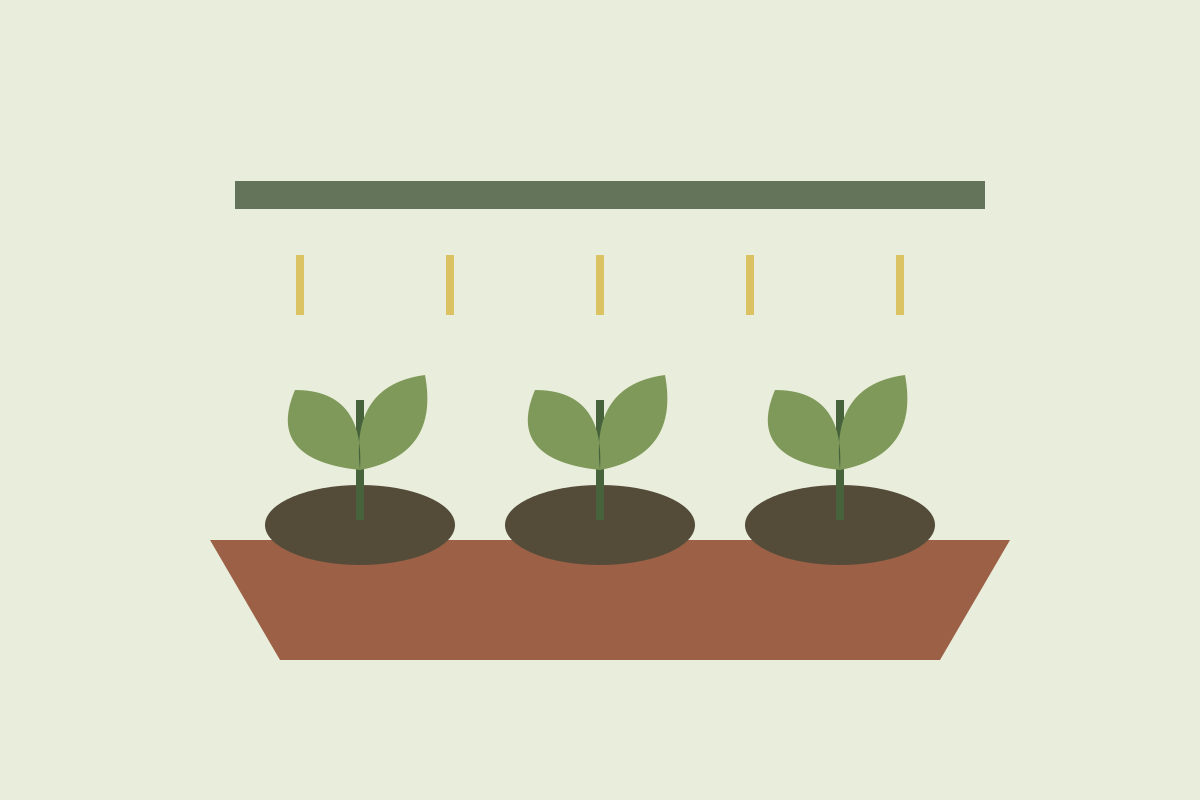
Choosing herbs for the light at your window
Observe the actual sun at a window before choosing herbs and keep different watering needs separate.
A bright kitchen can have a shaded windowsill. Before buying herbs for that window, watch where direct sunlight actually falls. A plant beside the glass and a plant on the counter may have quite different conditions.
Watch the spot where the pot will stand
University of Maryland Extension suggests a south or west window with at least five hours of sun for indoor herbs, while noting that requirements vary by herb. Its indoor herb guide also discusses supplemental light during winter. Window direction alone cannot tell you how much light arrives through nearby buildings or trees.
For a simple observation exercise, note direct sun in the morning, around midday and later in the afternoon. Record the date. A single day’s notes are a starting point, not a measurement for every season.
Read each plant’s watering needs
Thyme is one of the herbs the extension guide says should dry between waterings. That is a reason to keep plant instructions attached to the individual pot instead of treating a mixed display as one plant.
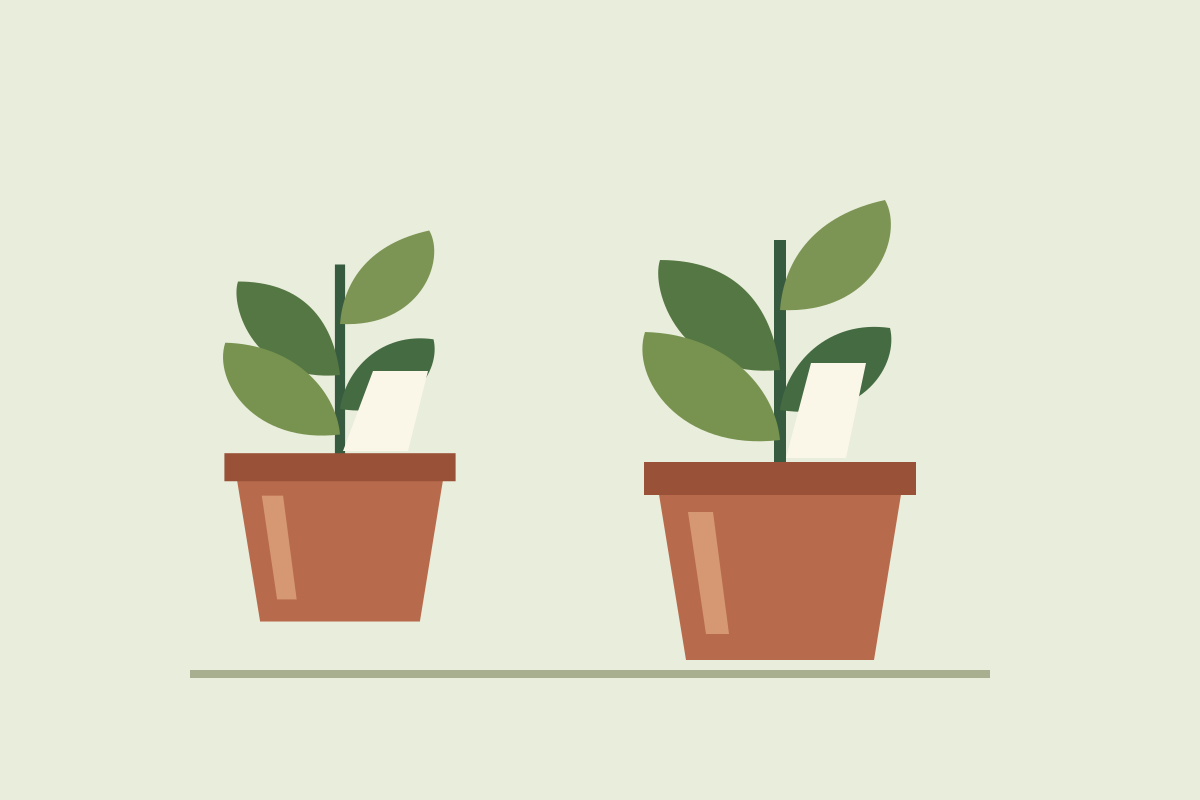
Separate pots let you check each growing mix before watering. Keep a tag with the plant’s name and move it with the pot. A pretty arrangement is still useful only if you can reach and inspect its containers.
Start with the herbs you will use
Suppose you cook with thyme often but rarely use sage. Those are personal preferences, not a ranking of easy plants. Make a short list from your own cooking, then compare the plant labels with the light you observed.
Start with a small enough selection that you can check every pot. Note where each one stands and revisit the light record as the season changes. If you cannot provide the listed conditions, choose another growing spot before adding more plants to the sill.